The Physical AI Surge: Humanoid Robotics Cross 50,000 Units as VLA Models & NVIDIA Stack Commercialize Factory Floors
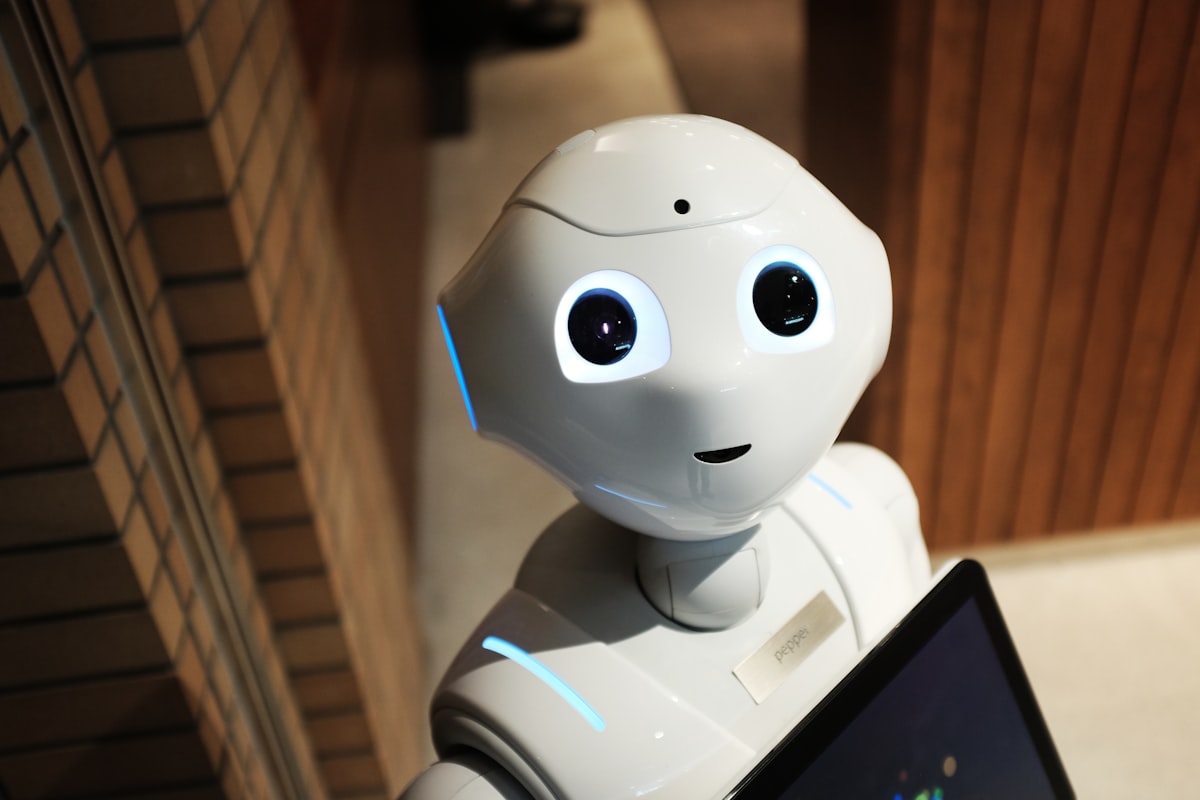
Featured Asset: Next-Generation Humanoid Robotics and Embodied Physical AI Infrastructure
Executive Summary
August 2026 marks the historic threshold where humanoid robotics officially transitioned from lab prototypes into mass commercial manufacturing. Industry telemetry confirms global humanoid shipments breached 50,000 units in 2026—a 700% year-over-year surge. Driven by open-source Vision-Language-Action (VLA) models, affordable hardware entry points starting at $13,500, and NVIDIA physical AI simulation stacks, humanoids are rapidly reshaping automotive assembly, warehouse logistics, and consumer home assistance.
1. Humanoid Robot Shipments Breach 50,000 Units as Costs Collapse
According to industry deployment reports from TrendForce and Counterpoint Research, global humanoid robot installations experienced a 700% volume expansion in 2026. What was a niche research market 18 months ago has transformed into a $6 billion commercial industry.
A primary catalyst behind mass adoption is hardware cost reduction. While specialized platforms like Boston Dynamics Electric Atlas and Agility Digit target heavy industrial automotive manufacturing, accessible general-purpose humanoids (such as Unitree G1 and 1X NEO) have dropped from $100,000 down to $13,500–$20,000, enabling residential preorders and SMB deployments.
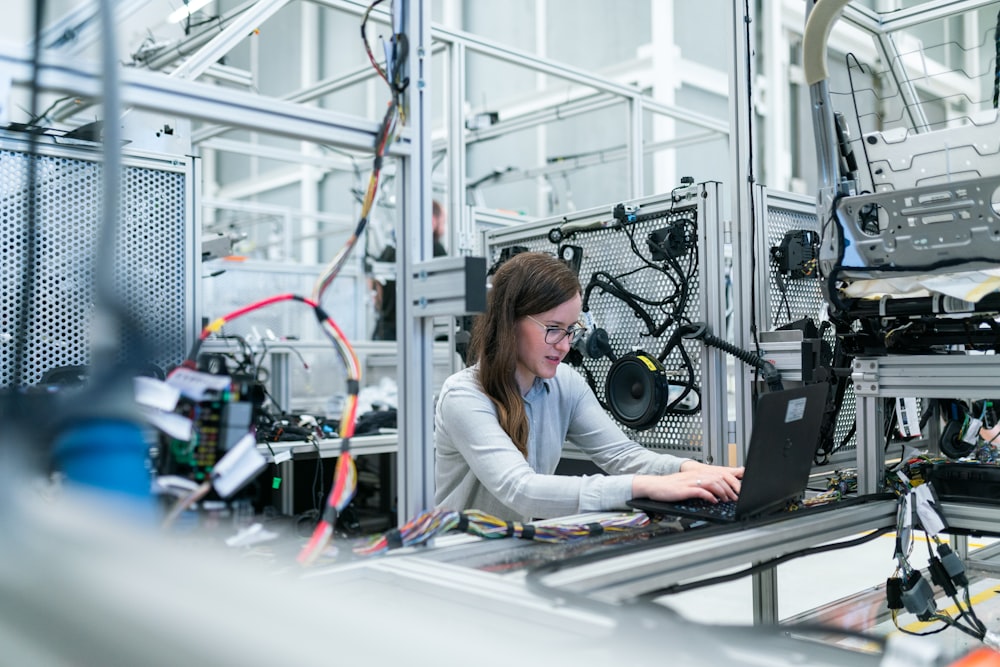
Figure 1: Automotive EV battery assembly and high-precision parts handling inside smart manufacturing plants.
2. The Physical AI Infrastructure Stack: VLA Models & Whole-Body Control
The technical foundation driving 2026 robotics is Physical AI—software architectures that allow embodied agents to perceive, reason about, and manipulate real-world environments continuously.
Open-source Vision-Language-Action (VLA) models (such as OpenVLA and compact SmolVLA) allow humanoids to learn complex manipulation tasks from expert operator demonstrations fine-tuned on consumer GPUs. Coupled with Google DeepMind's whole-body locomotion control, humanoids navigate unstructured spaces and execute physical labor autonomously.

Figure 2: GPU-accelerated physics simulation and continuous reinforcement learning loops.
3. Automotive Manufacturing Ramps: Tesla, Hyundai, and BMW
Automakers are leading the commercial rollout of physical humanoids:
- Tesla Optimus Gen 3: Operating inside Tesla's Fremont and Austin gigafactories for battery cell sorting and quality inspection ahead of 2027 external sales.
- Hyundai & Boston Dynamics Atlas: Deploying all-electric Atlas humanoids with 50 kg lift capacity at Hyundai Metaplants.
- BMW & Hexagon AEON: Full-scale pilot programs at Plant Leipzig handling high-voltage EV battery component manufacturing.
Key Takeaways for Enterprise Buyers & Robotics Engineers
- Data Is the Bottleneck: High-quality expert operator demonstration datasets matter more than raw parameter counts for task reliability.
- Sub-$20k Hardware Threshold: Dramatically lower component costs bring humanoid ROI payback periods under 12 months for logistics.
- Sim-to-Real Acceleration: NVIDIA Isaac Sim physics engines enable humanoids to complete millions of virtual training hours before physical deployment.

Comments
Post a Comment