The 2026 AI Energy Gold Rush: Samsung Floating Data Centers, 1.2 GW Power Campuses & Solid-State EV Ramps

Featured Asset: Next-Generation Floating Offshore AI Data Center Infrastructure and Power Grid Scaling
Executive Summary
August 2026 marks a decisive shift in global tech infrastructure. As hyperscalers race to power exponentially growing AI clusters, the core bottleneck has transitioned from GPU availability to Time-to-Energy (TTE). In response, Samsung Heavy Industries has engineered floating offshore AI data centers, while developers break ground on 1.2 Gigawatt mega-power campuses. Parallel clean energy advancements are driving solid-state EV battery testing toward 800-mile real-world driving ranges.
1. Samsung Heavy Industries Debuts Factory-Built Floating AI Data Centers
On August 5, 2026, Samsung Heavy Industries (SHI) signed a landmark engineering agreement with Mousterian Corporation to commercialize factory-manufactured, moored floating offshore data centers tailored for high-density AI training workloads.
Each floating barge unit provides 50 Megawatts of critical IT capacity, leveraging ocean water cooling systems to reduce thermal dissipation costs by up to 40% while bypassing terrestrial power grid land permitting delays in key US markets.
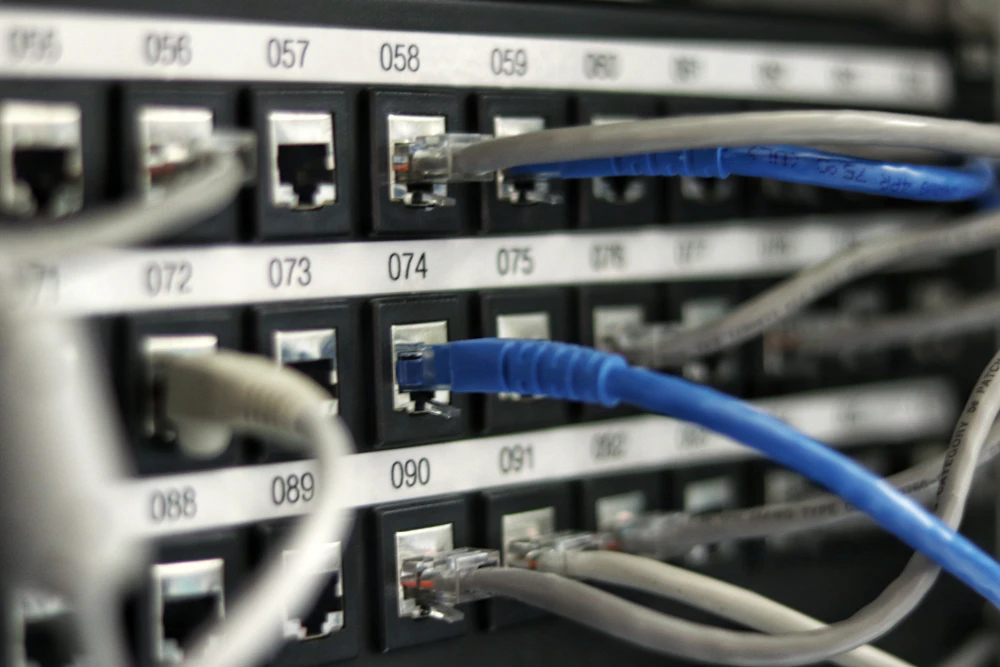
Figure 1: High-density AI server rack liquid cooling infrastructure driving gigawatt-scale operations.
2. The 1.2 Gigawatt AI Power Campus Race: NextEra & Brookfield
In tandem with maritime deployments, NextEra Energy and Brookfield unveiled plans to transform part of the US Department of Energy's former Paducah facility into a massive 1.2 Gigawatt AI data center campus with dedicated on-site power generation.
During Q2 2026 earnings briefings, Microsoft, Alphabet, Meta, and Amazon confirmed that infrastructure investments are shifting heavily toward long-term energy procurement and grid interconnection agreements to ensure uninterrupted compute scaling through 2030.

Figure 2: Next-generation solid-state lithium battery energy storage and electric vehicle powertrain scaling.
3. Solid-State EV Batteries Scale Toward 800-Mile Real-World Ranges
Accompanying AI grid expansions, solid-state battery technology reached key automotive manufacturing milestones in August 2026:
- Honda & QuantumScape Partnership: Commencing real-world vehicle fleet testing for all-solid-state EV battery packs with 9 GWh annual production targets.
- 800-Mile Range Verification: Solid-electrolyte architectures double lithium-ion energy density while offering 10-minute fast charging without thermal degradation.
Key Takeaways for Energy & Tech Investors
- Floating Data Center Speed: Off-shore modular barge construction bypasses land zoning and grid congestion, accelerating deployment by up to 18 months.
- On-Site Power Generation: 1.2 GW mega-campuses prioritize dedicated clean energy microgrids to insulate AI workloads from utility grid constraints.
- EV Solid-State Commercialization: Solid-state batteries move from pilot labs to low-volume vehicle fleet testing with production ramps targeting late 2026/2027.

Comments
Post a Comment