Runway Gen-4 vs Kling 3.0 vs Luma Dream Machine (August 2026): Which AI Video Generator Wins for Faceless Shorts?
Featured Asset: AI Video Generator Showdown 2026: Runway Gen-4 vs Kling 3.0 vs Luma Dream Machine
Executive Summary
In August 2026, text-to-video and image-to-video AI generators reached complete technical maturity. Content creators are deploying generative video models to build fully automated faceless YouTube Shorts, TikToks, and Instagram Reels without owning expensive cameras. This comparative guide evaluates the big three platforms—Runway Gen-4, Kling 3.0, and Luma Dream Machine—testing rendering speed, character realism, camera control, and monetization rules.
1. Runway Gen-4: The Professional Director's Suite
Runway Gen-4 remains the gold standard for video production teams seeking granular creative control. Rather than relying on random generation, Runway provides dedicated camera motion controls, multi-motion brush masks, and consistent style references.
With Gen-4 and Gen-4.5, creators can specify precise pan, tilt, zoom, and camera speeds while maintaining character facial consistency across sequential 10-second scenes, making it ideal for cinematic storytelling and commercial brand ads.

Figure 1: Generating viral 9:16 short-form video content using automated AI text-to-video engines.
2. Kling 3.0: Ultra-Realism 4K Renders & Native Audio Sync
Developed with a heavy focus on human physical motion, Kling 3.0 has emerged as the premier choice for photorealistic commercial videos and character animation.
Key differentiators include native 4K resolution at 60fps, hyper-accurate material lighting (rendering realistic reflections on skin, glass, and metals), and built-in native audio lip-sync that matches spoken dialogue directly to generated character mouths.

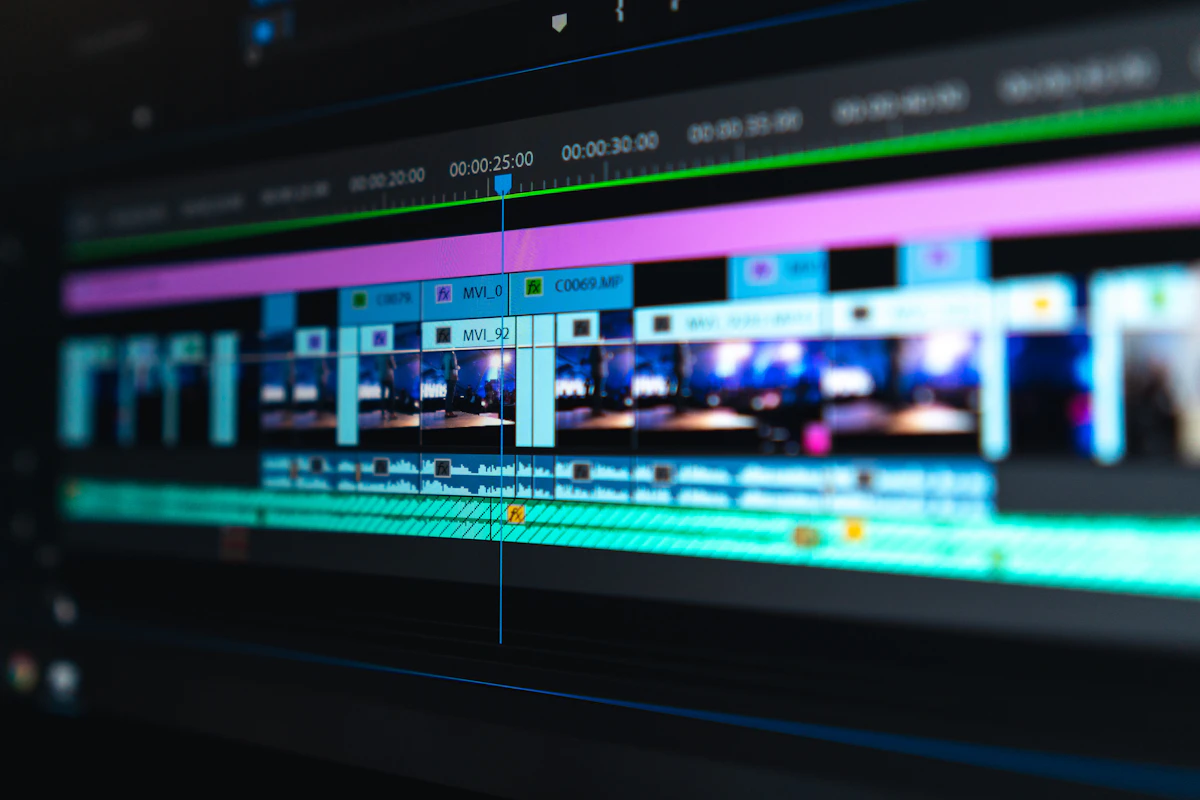
Figure 2: Multi-track video timeline editing and automated script-to-video assembly.
3. Luma Dream Machine (Ray3): Speed & Source Footage Transformation
If you already have existing images or video clips, Luma Dream Machine (Ray3) is the superior transformation engine.
Luma generates 5-second high-motion clips in under 20 seconds. Its standout feature is video-to-video redirection: instead of regenerating scenes from scratch, Ray3 modifies lighting, camera angles, or artistic styles on existing source footage while keeping camera trajectories intact.
Comparison Matrix: Top AI Video Generators (2026)
| Platform | Key Strength | Best Use Case |
|---|---|---|
| Runway Gen-4 | Camera direction & editing control | Commercial ads & cinematic shorts |
| Kling 3.0 | 4K 60fps realism & lip-sync | Human motion & photorealistic scenes |
| Luma Dream Machine | Image-to-video speed & video transform | B-roll creation & footage redirection |
Final Verdict for Faceless Creators
- For Complete Hands-Off Automation: Use InVideo AI or AutoShorts.ai to generate fully voiced, captioned videos from a single text prompt.
- For Custom Cinematic Visuals: Use Runway Gen-4 for precise camera angles or Kling 3.0 for human character realism.
- For Fast Image Animation: Use Luma Dream Machine to bring Midjourney V8.1 stills to life in seconds.

Comments
Post a Comment