Photonic Time Crystals & Bio-Engineered Brain Repairs: August 2026 Breakthroughs in Physics and Medicine

Featured Asset: Photonic Time Crystal Lattices and Ultrafast Quantum Optics
Executive Summary
August 4, 2026, marks an extraordinary day for scientific and technological innovation. Researchers have achieved two monumental milestones: the experimental demonstration of the world’s first Photonic Time Crystal capable of reshaping light at femtosecond scales, and the debut of an injectable biomaterial that turns brain cavities damaged by strokes into active hubs of tissue regeneration. This report explores these groundbreaking discoveries, their underlying physics and biology, and their transformative implications for computing and medicine.
1. World's First Photonic Time Crystal Reshapes Light in Femtoseconds
In a landmark achievement for optical physics, researchers demonstrated the first functional Photonic Time Crystal (PTC) on August 3–4, 2026. Unlike conventional crystals whose atomic structures repeat periodically across physical space, photonic time crystals periodically vary their refractive properties over ultra-short time intervals.
By modulating material refractive indices at picosecond and femtosecond rates, PTCs cause light waves passing through them to undergo temporal reflection and exponential momentum amplification. This capability opens unprecedented avenues for ultrafast optical transistors, noise-free optical amplification, and next-generation laser systems.

Figure 1: Conceptual visualization of temporal refractive modulation and photonic signal amplification.
2. Bio-Engineered Injectable Biomaterial Triggers Neural Brain Repair
Parallel to optical breakthroughs, biomedical engineers revealed a major clinical advance in neuro-regenerative medicine. A newly synthesized injectable hydrogel biomaterial has successfully converted stroke-damaged fluid cavities in brain tissue into scaffolding for cell growth.
When administered post-trauma, the biomaterial forms a nanostructured biological matrix that attracts host neural stem cells, promotes blood vessel formation (angiogenesis), and reduces scar tissue formation. In preclinical evaluations, the treatment yielded significant functional recovery, offering new hope for stroke survivors and neurodegenerative therapies.
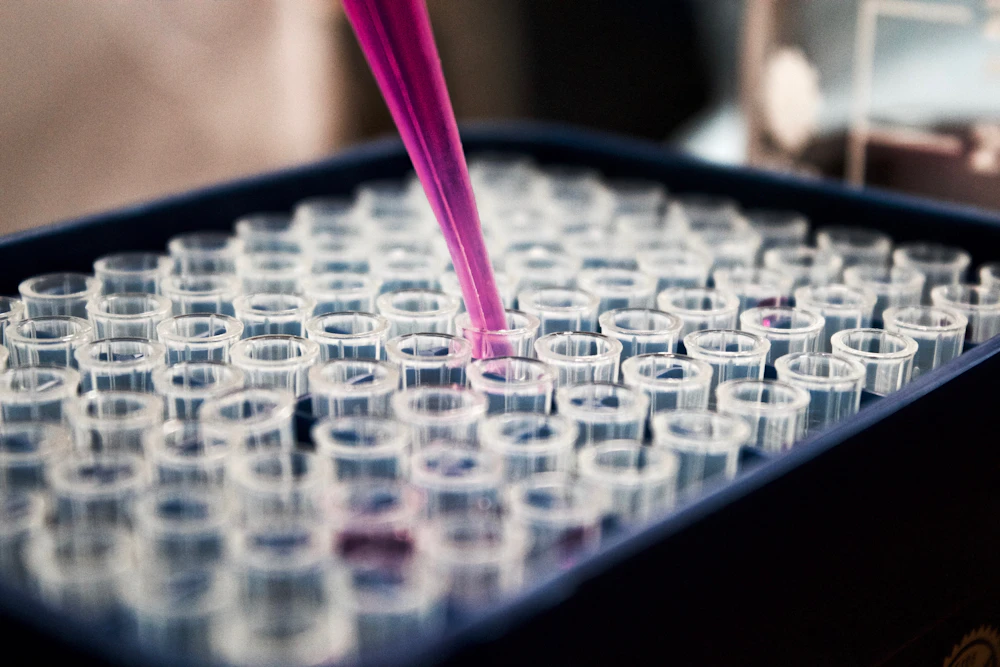
Figure 2: Nanoscale biomaterial scaffolding guiding neural stem cell regeneration and tissue repair.
3. Technological Implications and Commercial Horizons
These simultaneous developments highlight a broader convergence between fundamental physics, advanced materials science, and bio-tech engineering:
- Ultrafast Optical Computing: Photonic time crystals remove electronic thermal bottlenecks, accelerating photonic chip communication speeds for AI hardware.
- Regenerative Neuro-Medicine: Scaffold-based biopolymers pave the way for targeted clinical trials addressing spinal cord injuries and traumatic brain injury (TBI).
- Quantum Signal Processing: Temporal momentum shifting enables highly sensitive optical sensors for deep-space and defense communications.
Key Takeaways for Innovators & Researchers
- Temporal Materials Science: Time-varying metamaterials represent the new frontier in manipulating electromagnetic waves beyond spatial constraints.
- Translational Bio-Scaffolding: Injectable regenerative matrices provide non-invasive pathways for organ and neural tissue repair.
- Cross-Disciplinary Synergy: The integration of optics, material synthesis, and medical engineering is driving 2026's most impactful technological breakthroughs.

Comments
Post a Comment